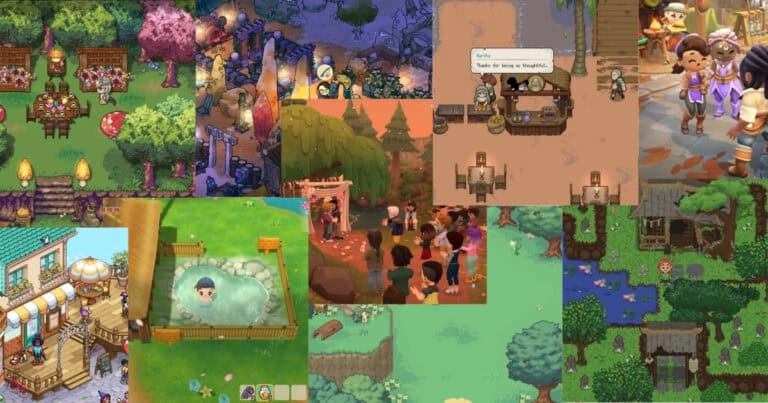
15 games that encourage intuitive play
Some games don’t ask you to memorize systems, optimize builds, or follow strict instructions. Instead, they trust you to feel your way forward—through curiosity, observation, and gentle experimentation. These games reward instinct over planning, making play feel natural, relaxed, and deeply satisfying.
Need a name for your game?
Use our free game name generator to create names for games, worlds, farms, and characters!
A Short Hike
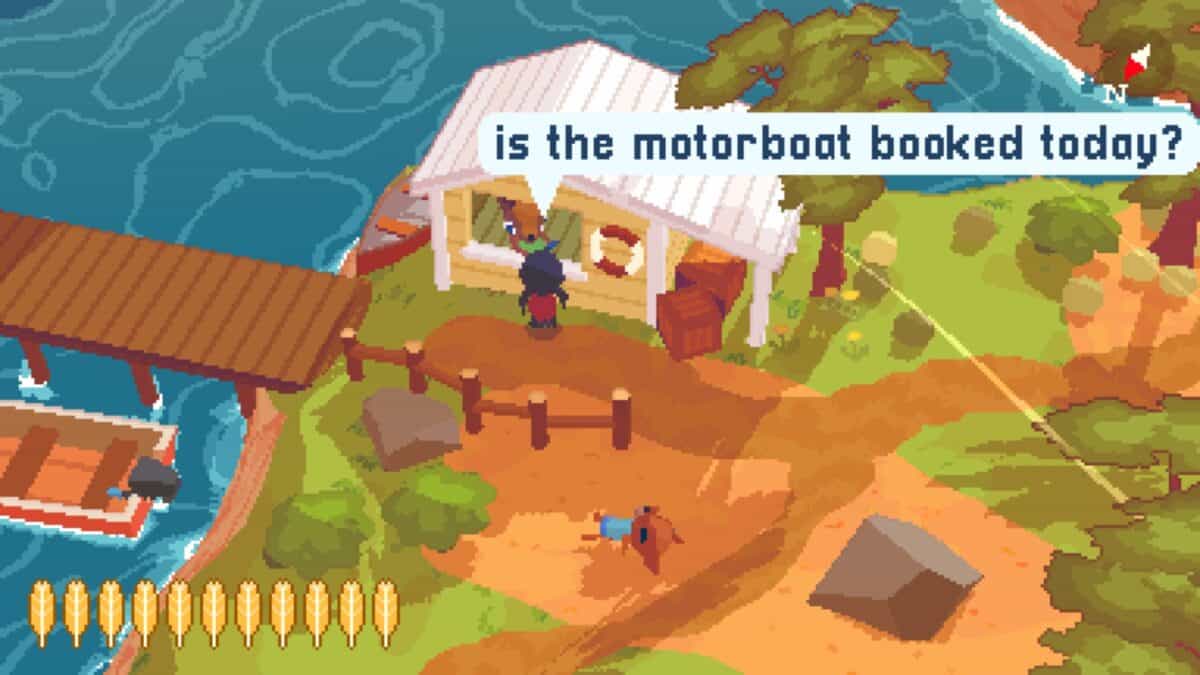
A Short Hike encourages intuitive play by letting curiosity guide every step. There’s no required path—just climbing, wandering, and discovering at your own rhythm. You learn the world simply by moving through it.
Smushi Come Home
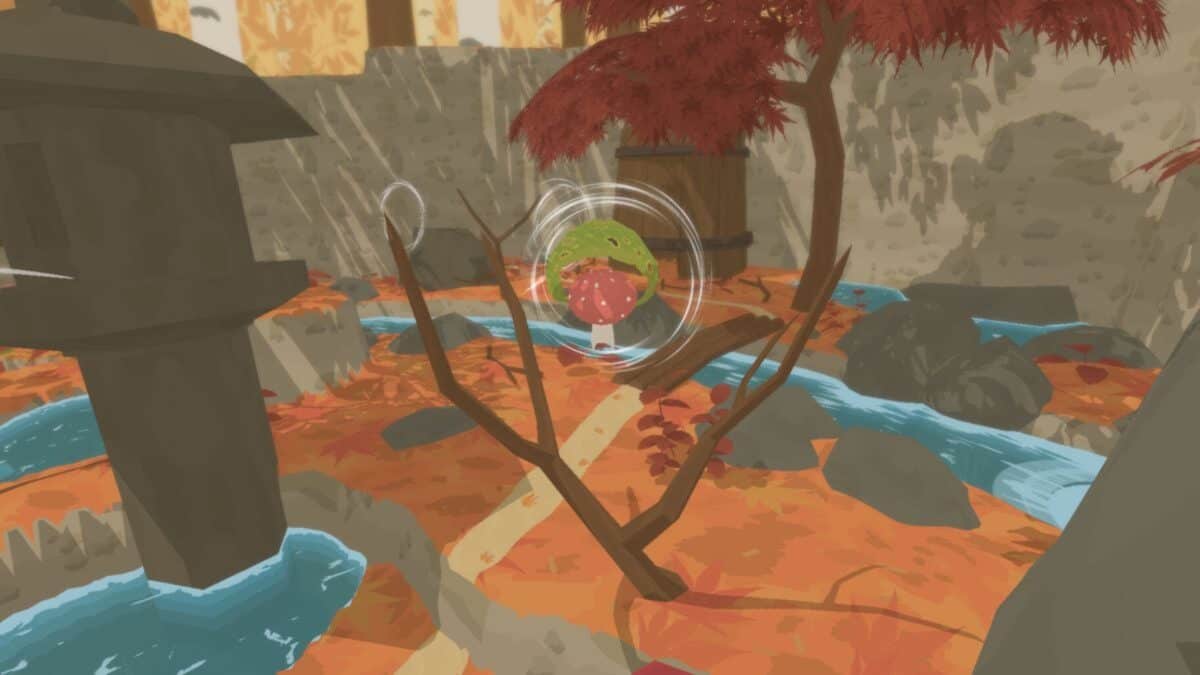
Smushi Come Home relies on visual cues and gentle exploration rather than explicit objectives. You intuit where to go by following landmarks and environmental hints. The game feels like learning through presence, not instruction.
Journey

Journey strips away text and tutorials, encouraging you to understand the world through movement and sound. You instinctively learn mechanics by trying them. Everything unfolds through feeling rather than explanation.
💬 Love cozy games?
Join the The Cozy Gaming Nook Forums to share what you’re playing, swap tips, and connect with others!
Sable
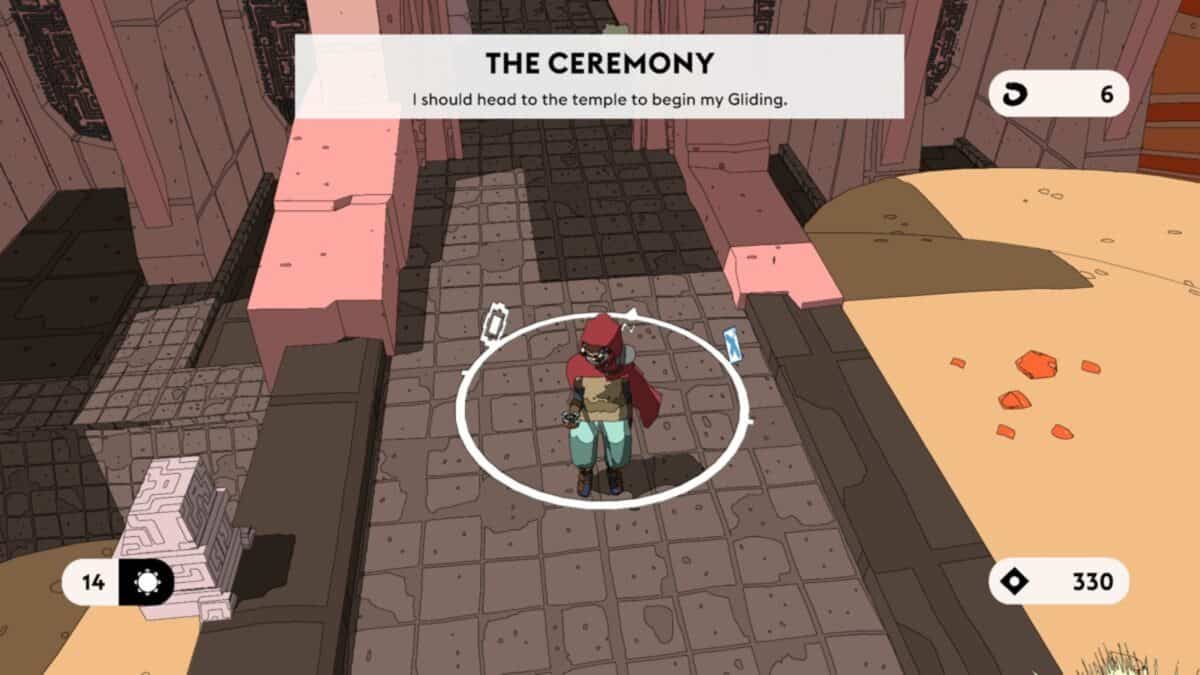
Sable invites intuitive play through open-ended exploration and visual storytelling. There’s no combat pressure or linear progression to follow. You discover meaning by noticing details and choosing your own direction.
Abzû

Abzû teaches its mechanics almost entirely through motion and music. Swimming, interacting, and progressing feel natural and wordless. The game trusts you to understand through immersion.
Unpacking

Unpacking encourages intuitive play by tapping into everyday logic. You place items where they feel right, not where the game tells you to. Progress happens through instinct and personal order.
Townscaper

Townscaper removes rules and goals entirely, letting intuition take over. You click, place, and watch structures emerge organically. It’s creative play guided purely by feeling.
The Stillness of the Wind
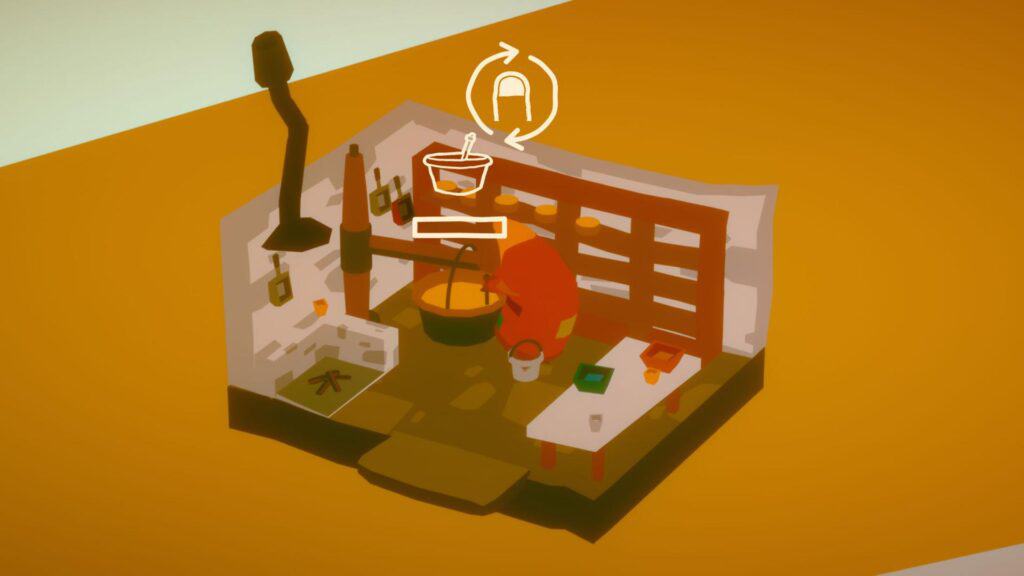
This game leans on routine and observation rather than instruction. You learn what to do by paying attention to the environment and the passage of time. It rewards quiet intuition over optimization.
Venba

Venba’s cooking mechanics encourage players to rely on sensory clues instead of step-by-step recipes. You interpret visuals, sounds, and memory to succeed. The experience feels deeply intuitive and personal.
Dorfromantik

Dorfromantik encourages intuitive decision-making through gentle tile placement. There’s no rush, only a sense of balance and flow. You play by feeling what fits rather than calculating outcomes.
FAR: Lone Sails
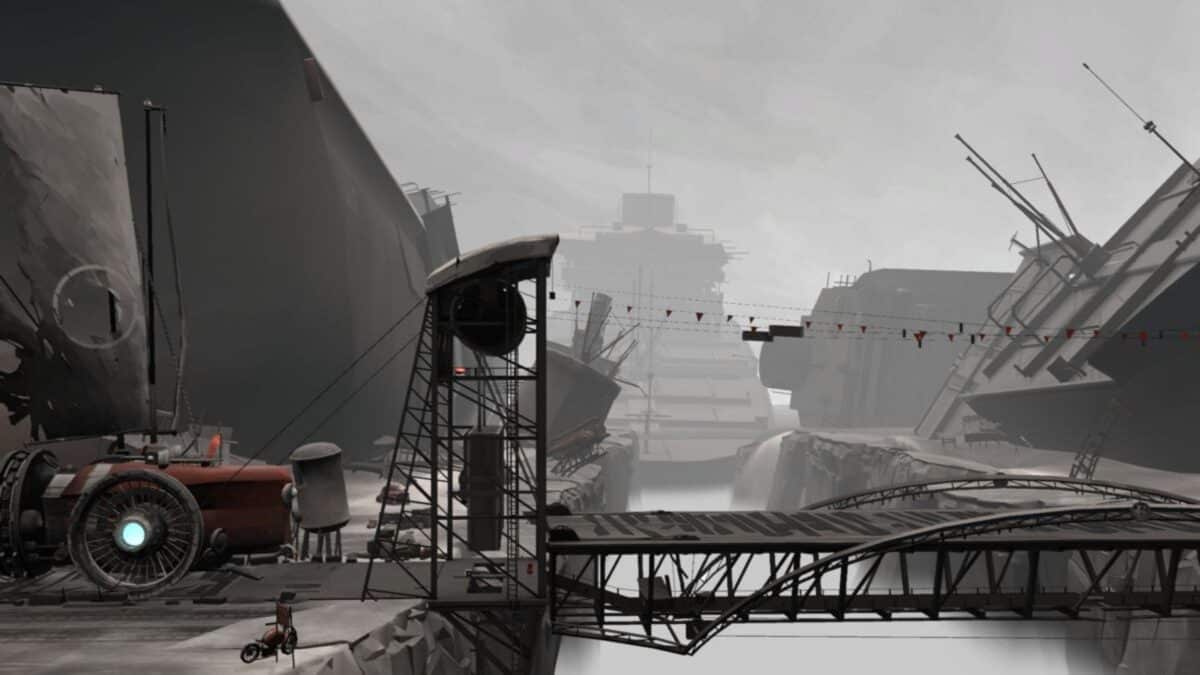
FAR invites intuitive play by making you understand your vehicle through interaction. You learn its systems by trying, adjusting, and observing responses. It feels like problem-solving through touch and attention.
Mail Time

Mail Time keeps objectives soft and guidance minimal, encouraging exploration by curiosity. You intuit paths through cozy spaces rather than following strict markers. The game feels friendly and forgiving.
Proteus

Proteus offers a wordless island that unfolds through exploration and sound. There are no instructions, only changes that respond to your presence. You learn how to engage simply by being there.
GRIS
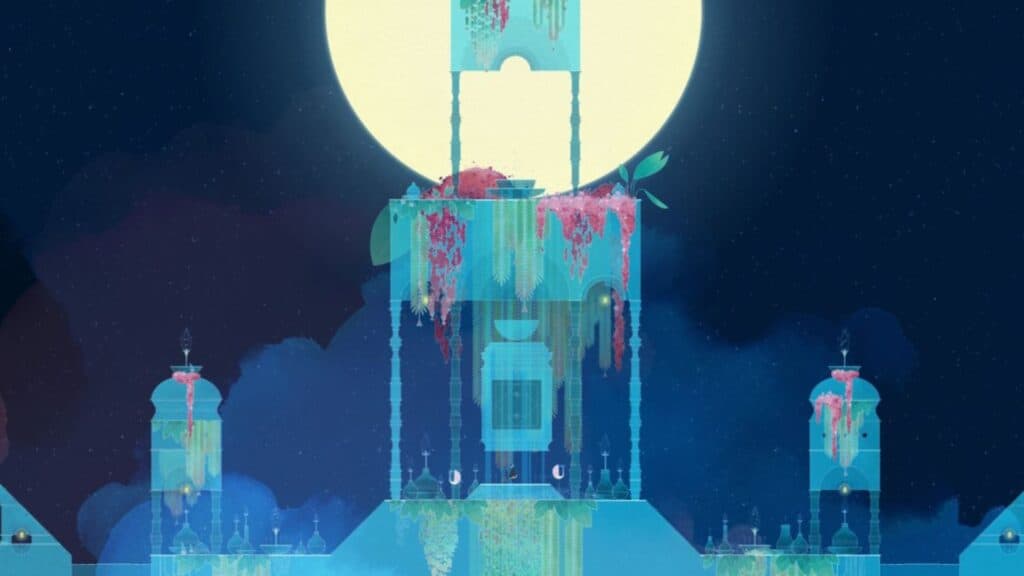
GRIS teaches progression through visual language and emotional cues. Mechanics evolve naturally as you move forward. The game trusts your instincts to guide you through its world.
Season: A Letter to the Future
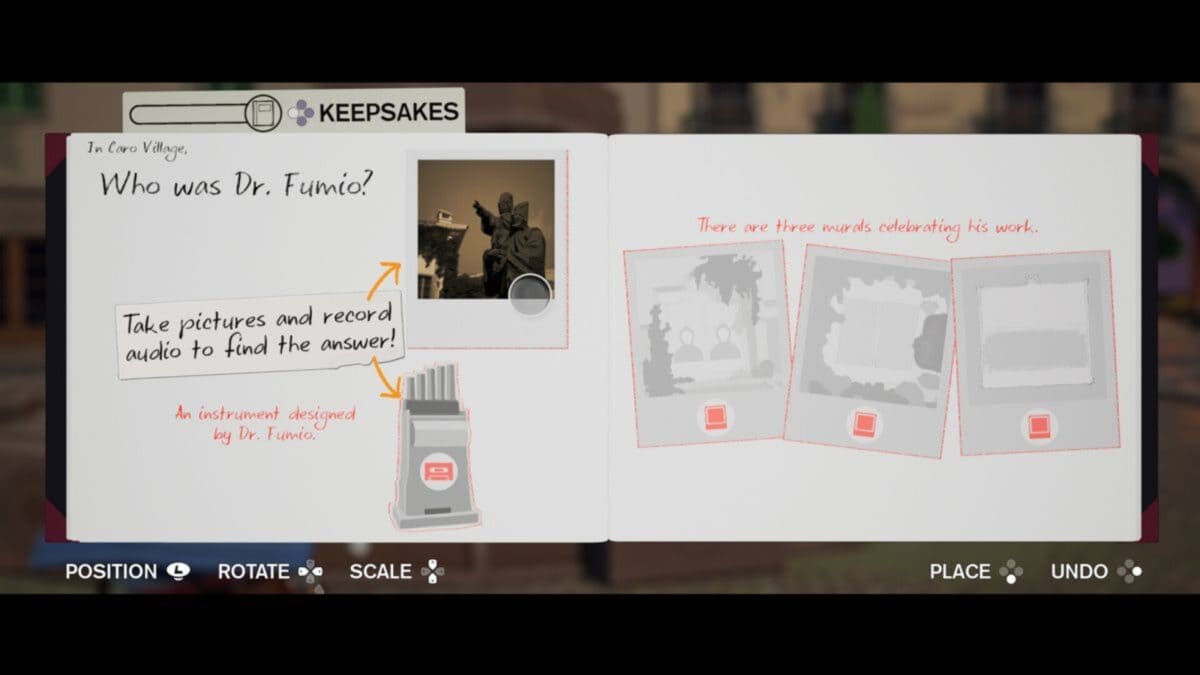
Season encourages intuitive play by focusing on observation, documentation, and memory. You decide what feels important to capture rather than following rigid objectives. It rewards personal curiosity over completion.